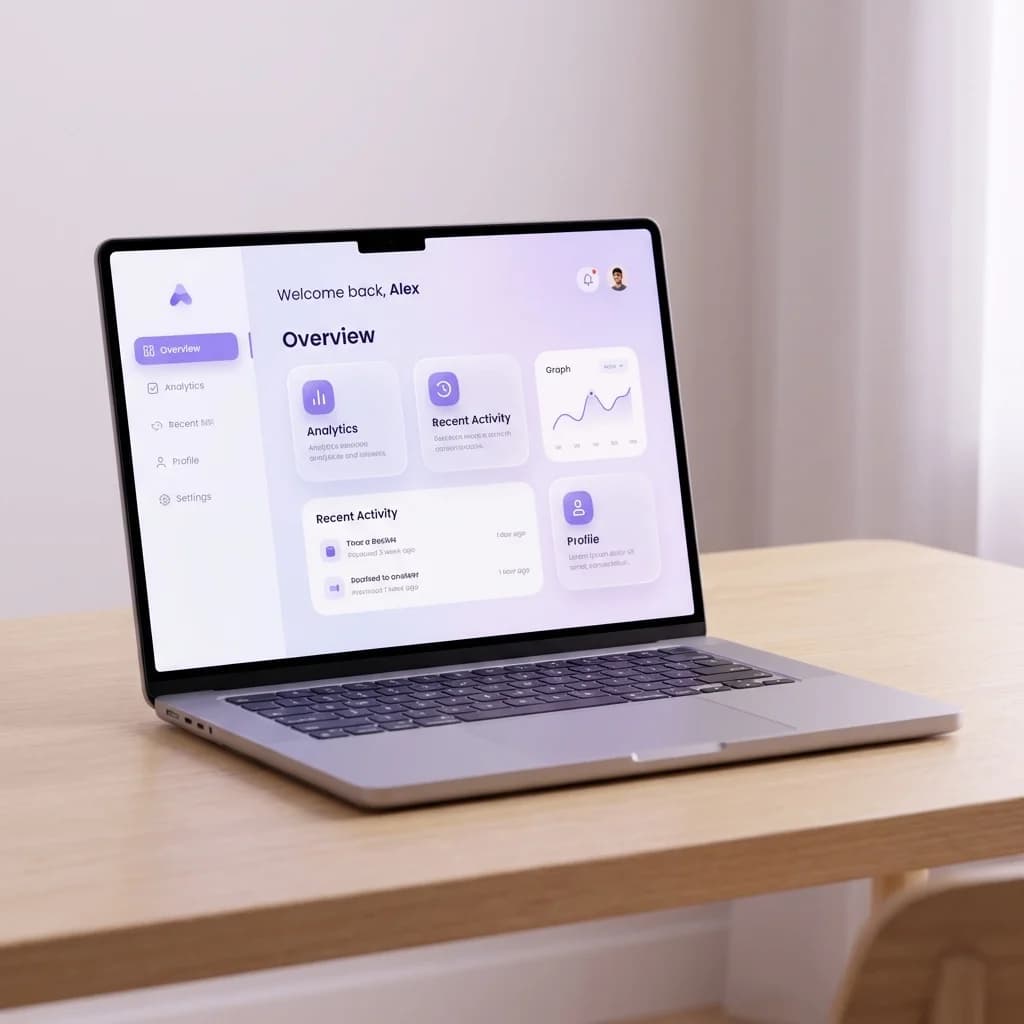
Discover the next generation of utility payment infrastructure and how real-time API integrations are revolutionizing the digital finance landscape with scalable microservices architecture.
The Payment API Revolution
The financial services industry is undergoing a seismic shift driven by the proliferation of open banking standards and real-time payment rails. By 2026, over 70% of enterprise payment workflows will be orchestrated through API-first architectures, replacing legacy batch-processing systems with event-driven microservices that can settle transactions in milliseconds rather than hours.
This transformation is not merely technical — it represents a fundamental rethinking of how money moves between institutions, merchants, and end consumers. Payment APIs have evolved from simple REST endpoints into sophisticated, stateful orchestration layers capable of handling complex multi-party settlements, regulatory compliance checks, and fraud detection all within a single API call.
Key Architectural Patterns for 2026
Modern payment API architecture is converging on three dominant patterns: event sourcing with CQRS (Command Query Responsibility Segregation), saga-based distributed transactions, and asynchronous webhook-driven settlement flows.
Event sourcing ensures every state change in a payment lifecycle is captured as an immutable event, giving enterprises a perfect audit trail required by regulators like RBI and SEBI. The saga pattern orchestrates multi-step payment flows — such as initiating a payment, reserving funds, verifying compliance, and confirming settlement — across distributed microservices without the need for distributed ACID transactions.
GraphQL federation is also emerging as a dominant API layer for aggregating payment data from multiple processors behind a unified schema, enabling financial dashboards and reporting tools to query cross-system data without bespoke ETL pipelines.
Real-Time Payment Rails and UPI Integration
India's Unified Payments Interface (UPI) has demonstrated at global scale that real-time payment rails can process billions of transactions monthly with sub-second latency. By 2026, enterprises integrating UPI AutoPay, UPI 2.0 mandates, and BBPS (Bharat Bill Payment System) APIs will gain significant competitive advantages in recurring billing and utility payment automation.
Key integration considerations include idempotency key management to prevent duplicate charges during network retries, webhook signature verification using HMAC-SHA256 to prevent replay attacks, and circuit-breaker patterns to gracefully handle upstream payment gateway failures without cascading errors.
Security and Compliance by Design
PCI DSS v4.0 compliance is now non-negotiable for any organization handling cardholder data. Modern payment APIs must implement tokenization at the point of card entry, ensuring raw PANs (Primary Account Numbers) never traverse application servers. Solutions like Stripe Elements and Razorpay.js offload card capture to PCI-compliant iframes, reducing the merchant's compliance scope dramatically.
OAuth 2.0 with PKCE (Proof Key for Code Exchange) is the recommended authorization standard for third-party payment API access, and all payment API endpoints should enforce mutual TLS (mTLS) to authenticate both client and server identities. Regular penetration testing and automated DAST (Dynamic Application Security Testing) integration into CI/CD pipelines is now considered baseline security hygiene.
The Road Ahead
Looking beyond 2026, the convergence of AI-powered fraud detection, embedded finance APIs, and Central Bank Digital Currencies (CBDCs) will reshape payment architecture once more. Enterprises that invest now in building event-driven, API-first payment infrastructures will be well-positioned to adapt to these changes without costly rewrites.
The winners will be those who treat payment APIs not as a compliance checkbox but as a competitive differentiator — one that enables faster market entry, superior customer experiences, and data-driven financial intelligence.
An expert practitioner at EDNS Solutions with deep experience in enterprise technology delivery and digital transformation strategy.

